Fidgets for high school classrooms: choosing them and keeping them tools
Teenagers fidget with whatever is nearest: pens, phones, hoodie strings. A small set of quiet fidgets with clear rules gives those hands something better. Here is how to set that up for grades 9-12.
Fidget policies in high school usually fail in one of two ways: a blanket ban that pushes fidgeting onto phones and pens, or a free-for-all where the loudest toy wins. A middle path works better: a few quiet fidgets, rules taught once, and a shared box anyone can borrow from.
What makes a fidget classroom-ready at 14+
- Quiet. If the next desk can hear it, it does not belong in a lesson.
- One hand, no eyes. A student should be able to use it while writing or looking at the board.
- Not a show. Anything that invites an audience becomes a game.
- Easy to wipe. Hard plastic and soft silicone-type surfaces clean easily for a shared box.
CAHELP's guide for teachers suggests going over fidget rules with the whole class before handing anything out, and keeping fidgets with other "tools" like scissors when not in use (CAHELP).
Rules that keep fidgets as tools
National Autism Resources' guide for educators offers sample rules such as "I use fidgets to help me pay attention so that I can learn" and "I always put away my fidget when I am done" (National Autism Resources). For high school, a shorter version reads better:
- One fidget, one hand, under the desk.
- Silent, or it goes back.
- It stays with you; no trading or throwing.
- Back in the box at the bell.
When a fidget becomes a toy, it goes back in the box for the rest of the period, without a lecture, and the student can try again next class.
A shared fidget box
A labelled box on a shelf by the door, open to anyone who follows the rules, takes the stigma out of it: nobody's fidget is special. Keep three or four kinds, count them back weekly and wipe them down. Replace anything broken.
Introducing fidgets to a class in one lesson
- Two minutes at the start of a period. Explain that fidgets are tools for listening and reading, available to anyone, under four rules.
- Show the box and what is in it. Pass one of each kind around once, so the novelty is used up before work starts.
- Model the wrong way once. Clicking it loudly or tossing it to a friend. Teenagers enjoy pointing out a teacher's bad example, and they remember the rule.
- Then teach as normal. Let the box sit by the door. Students who want one take one on the way in.
Expect a few days of heavy use while it is new. Keep the rules the same and the interest settles.
When a fidget is not the answer
Some students need to move their whole body rather than their hands: standing at the back, a short errand, a stretch between tasks. Others chew pens or sleeves, which a hand fidget will not replace. If a student needs more than a box can offer, talk with the school's support staff and the family; a plan for one student belongs with them.
Quiet picks for a high school class
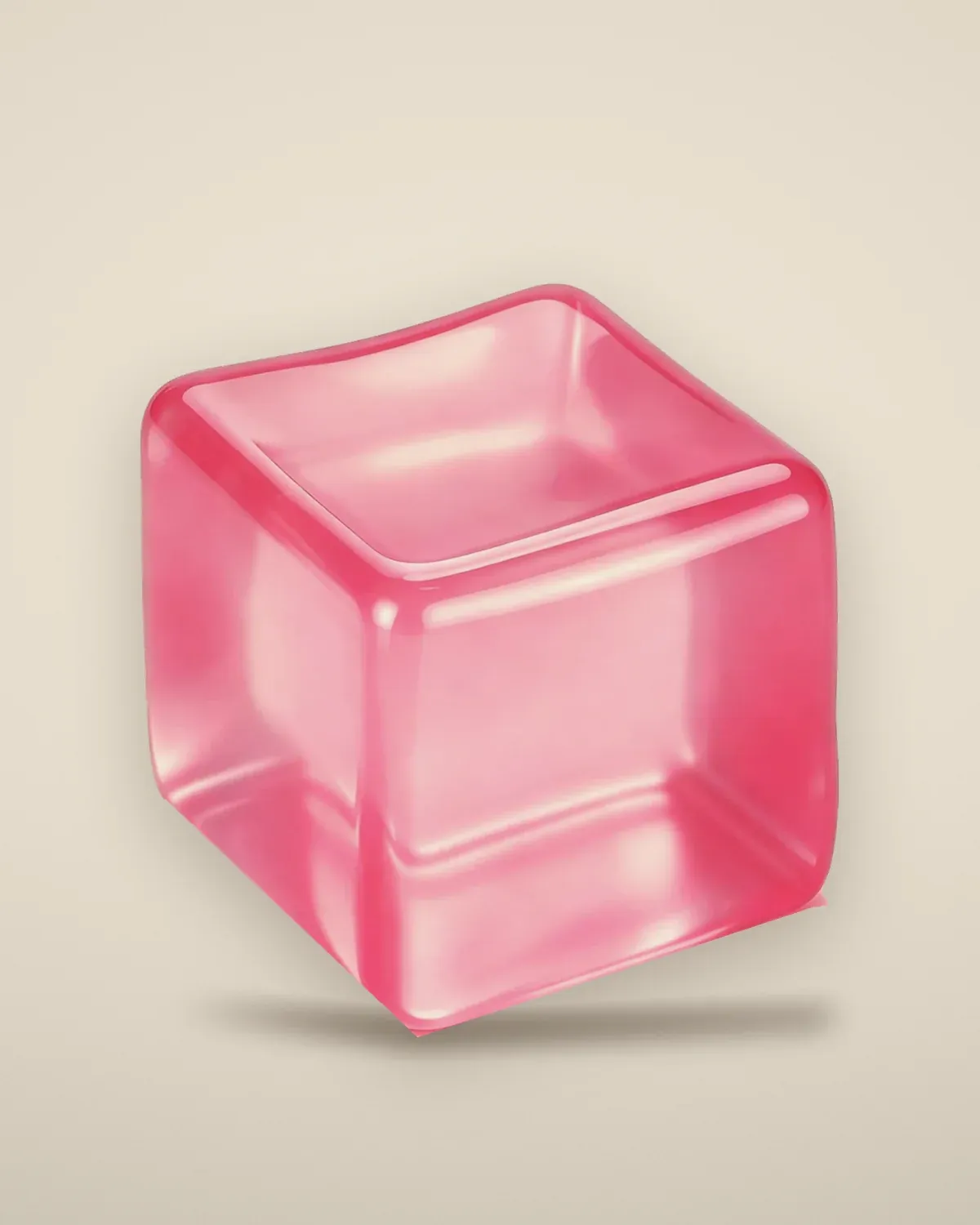
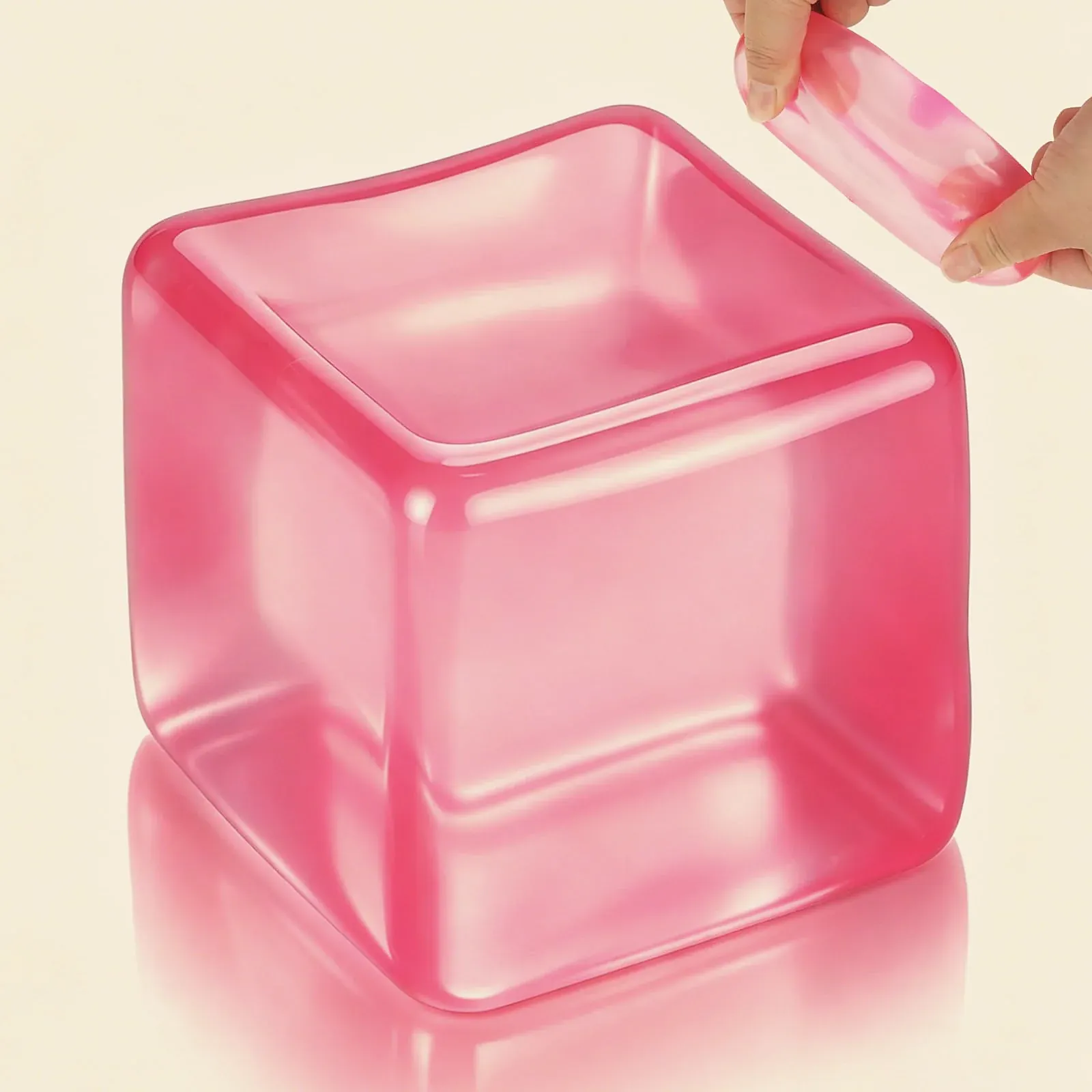 Squish
1 cube, 2 in · 4 colors
Slow-Rise Squish Cube, $23.99. Soft and silent. Squeeze, stretch, twist; it rises back slowly.
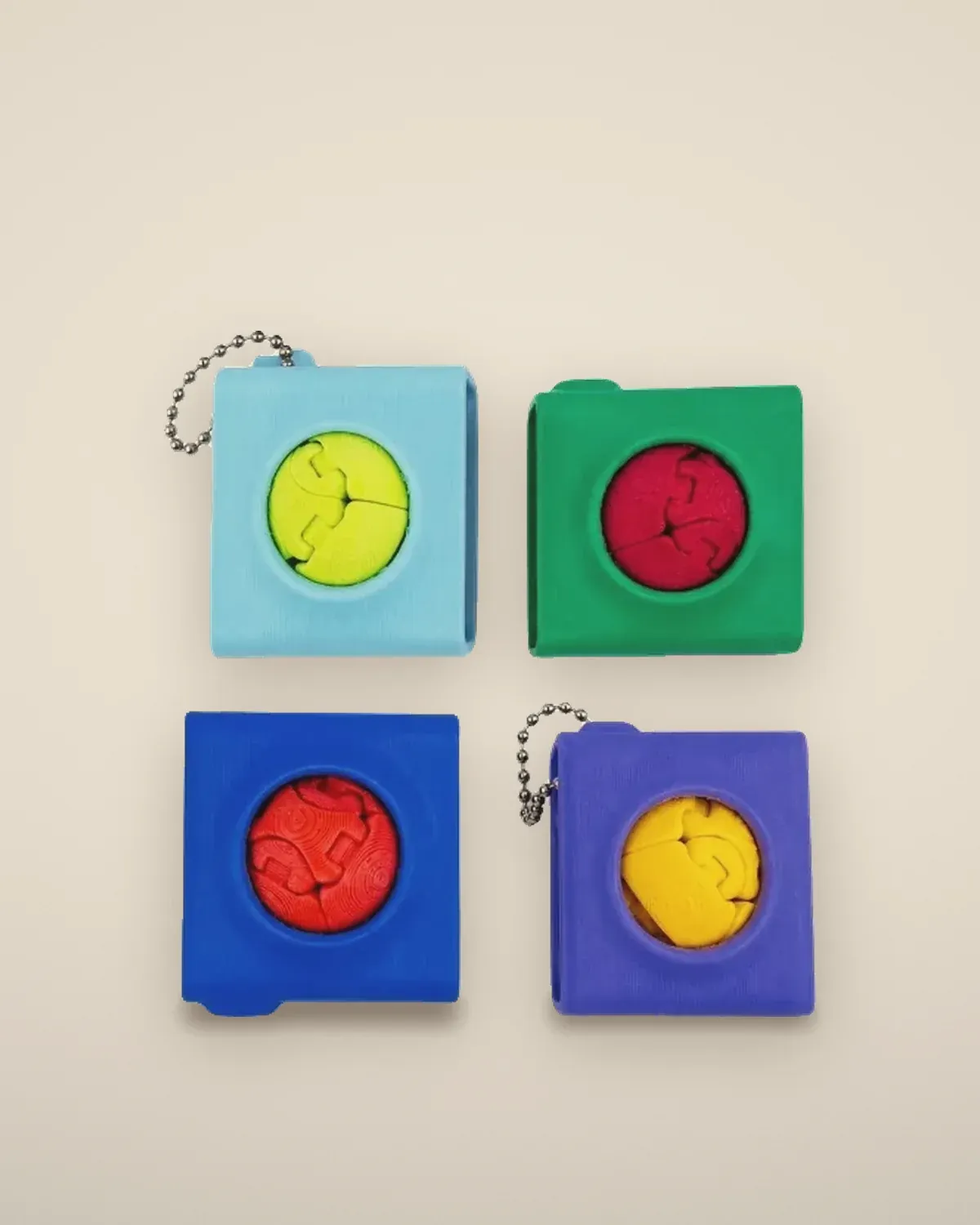 Twist
4 cubes + carry case
Textured Fidget Cube Set (4 pcs), $22.99. Four pocket cubes with twisting cores and a clear case: easy to count back into a box.
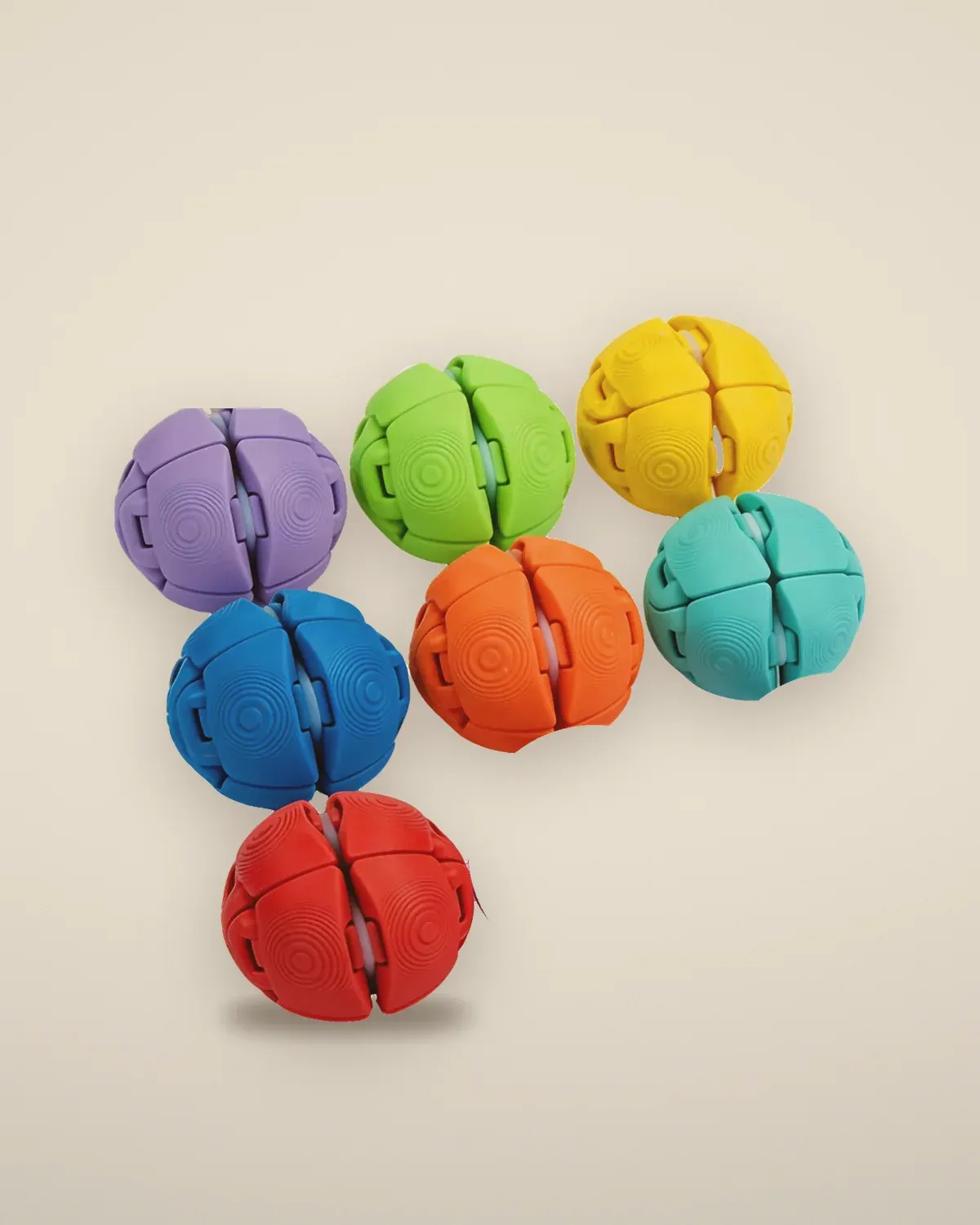
 Twist
9 orbs + 10 bands
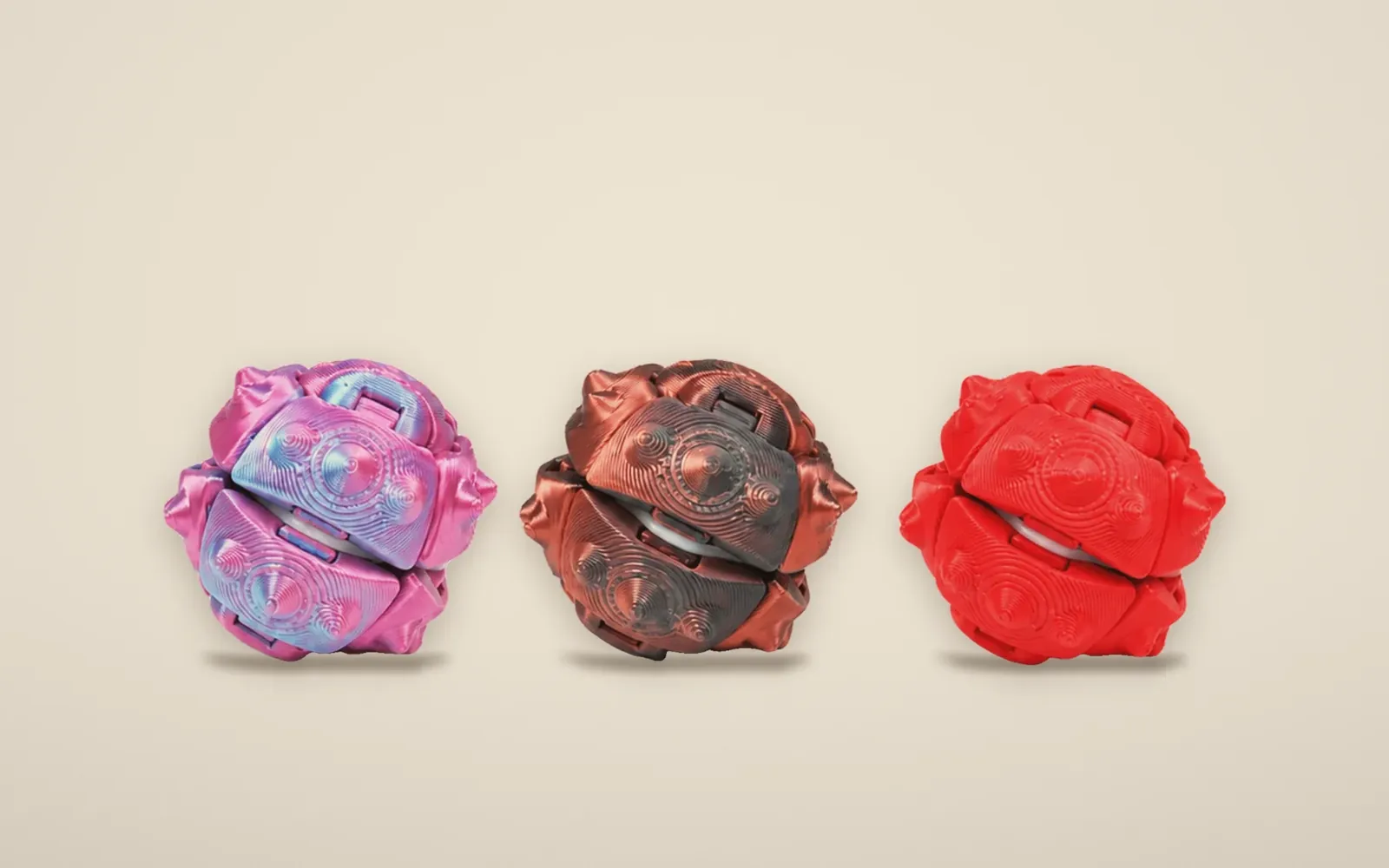
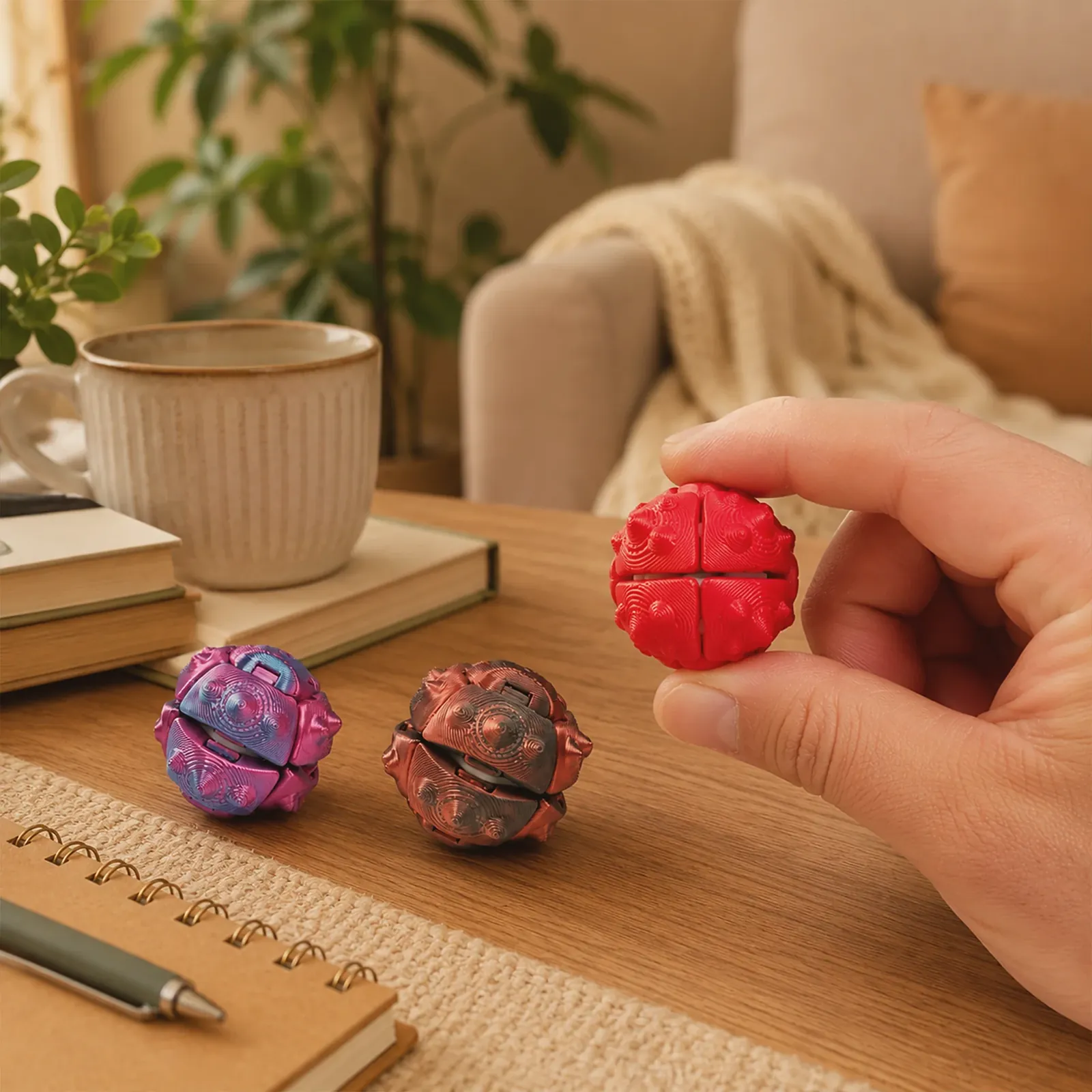
Fidget Orb 9-Pack, $19.99. Nine press-and-twist orbs, so one set covers a shared box.
 Squish
5 balls, 1.2 in each
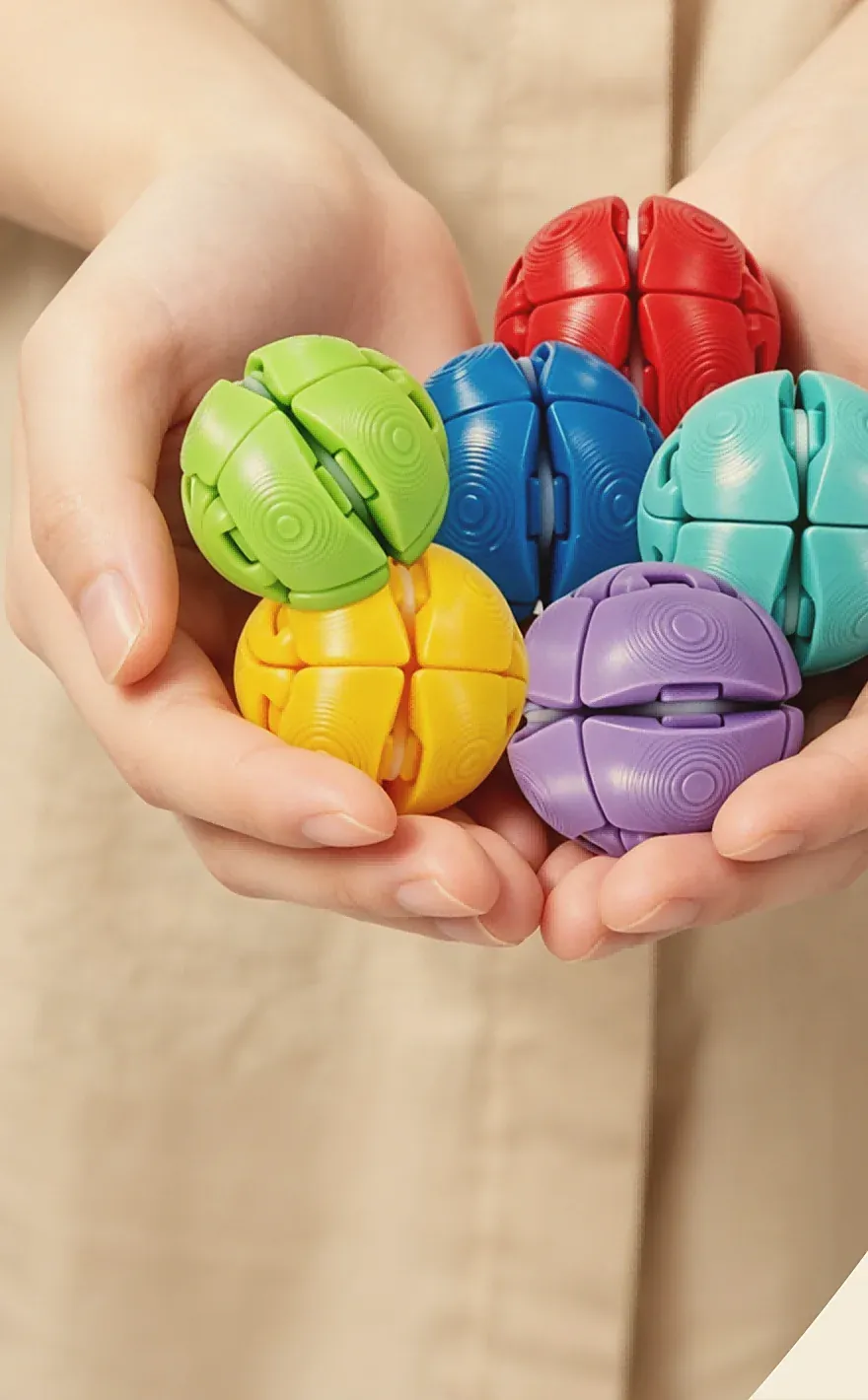
Textured Squeeze Ball 5-Pack, $19.99. Five small textured balls whose segments press in and spring back.
Clickers and spinners (our sardine tin and burger spinner) are better kept for a student's own desk at home.
Middle school and younger
Our shop is made for ages 14 and up because most of our toys have small 3D-printed parts. For elementary classrooms we run Fidgetkind Calm Corner, with classroom calm-corner kits and a free teacher guide, and its how-to on sensory tools for the classroom.
Buying for a classroom
Every item ships free in the US and each product page shows its delivery window. For a larger order for a school, email us from the contact page.
Age note. Everything in the Fidgetkind shop is made for ages 14 and up. Most pieces are 3D-printed with small moving parts, so they are not for young children. Teachers of younger grades: see Fidgetkind Calm Corner, our classroom kits for K-5.