Fidget toys for teens and adults with ADHD: how to choose one that fits
Many people with ADHD say their hands want something to do while they listen, read or think. This guide is about choosing a fidget that fits your habits and your settings. It is not medical advice.
Plain words first. A fidget toy is an object for your hands. It is not a treatment for ADHD and we make no claim that it improves attention, focus or symptoms. If you are deciding how to manage ADHD, talk to a doctor or clinician. What we can help with is choosing an object that suits the way you already fidget.
Start from what you already do
Most people who fidget have a few go-to habits. Write yours down for a day. The pattern tells you more than any product list.
| Habit | Motion | Try |
|---|---|---|
| Clicking pens, tapping | Short repeated press | A clicker, at your own desk |
| Squeezing, picking at things | Pressure and texture | A squish cube or textured squeeze balls |
| Spinning rings, turning objects over | Continuous rotation | Twisting cubes or press-and-twist orbs |
| Bending clips, wrapping cords | Bend and hold | A jointed, posable figure |
Match the fidget to the setting
- Class, meetings, libraries: quiet and one-handed. See quiet fidget toys.
- Video calls: below the camera, so anything that works without looking.
- Your own desk: anything goes, including the clicky and the spinny.
- On the move: something small with a case, so it does not end up lost.
A fidget that becomes the task is the wrong fidget
If you find yourself watching the toy, using both hands, or stopping work to play with it, it has turned into a distraction. The fix is usually a simpler fidget: one motion, one hand, eyes free. Teachers who manage fidgets in class use the same rule; National Autism Resources' guide for educators describes good classroom fidgets as "quiet, discreet" with "an interesting texture" and lots of finger movement (National Autism Resources).
Picks by sensation
 Squish
1 cube, 2 in · 4 colors
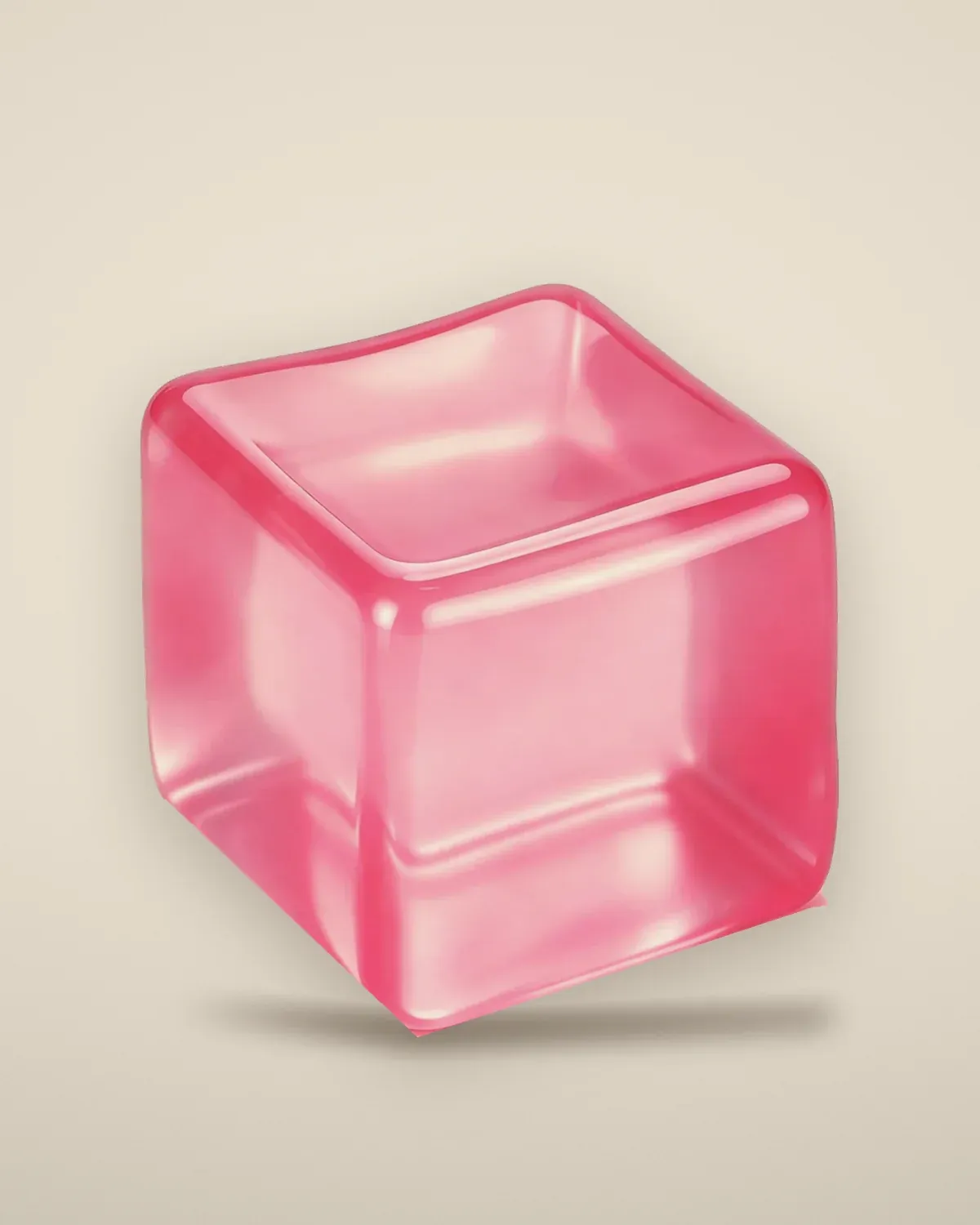
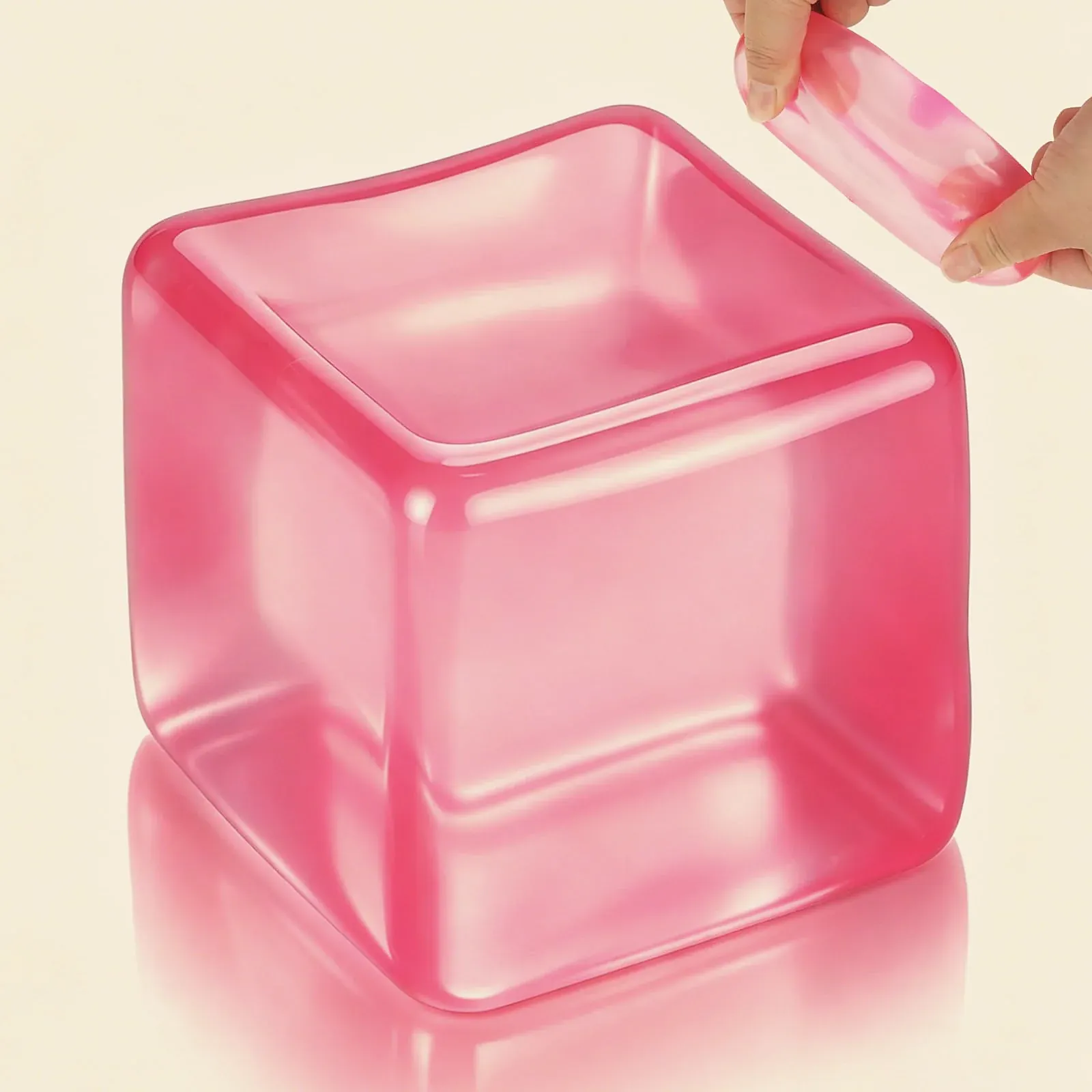
Slow-Rise Squish Cube, $23.99. Pressure, silently. Squeeze, stretch or twist; it rises back slowly.
 Squish
5 balls, 1.2 in each
Textured Squeeze Ball 5-Pack, $19.99. Texture you can rub, with segments that press in and spring back.
 Twist
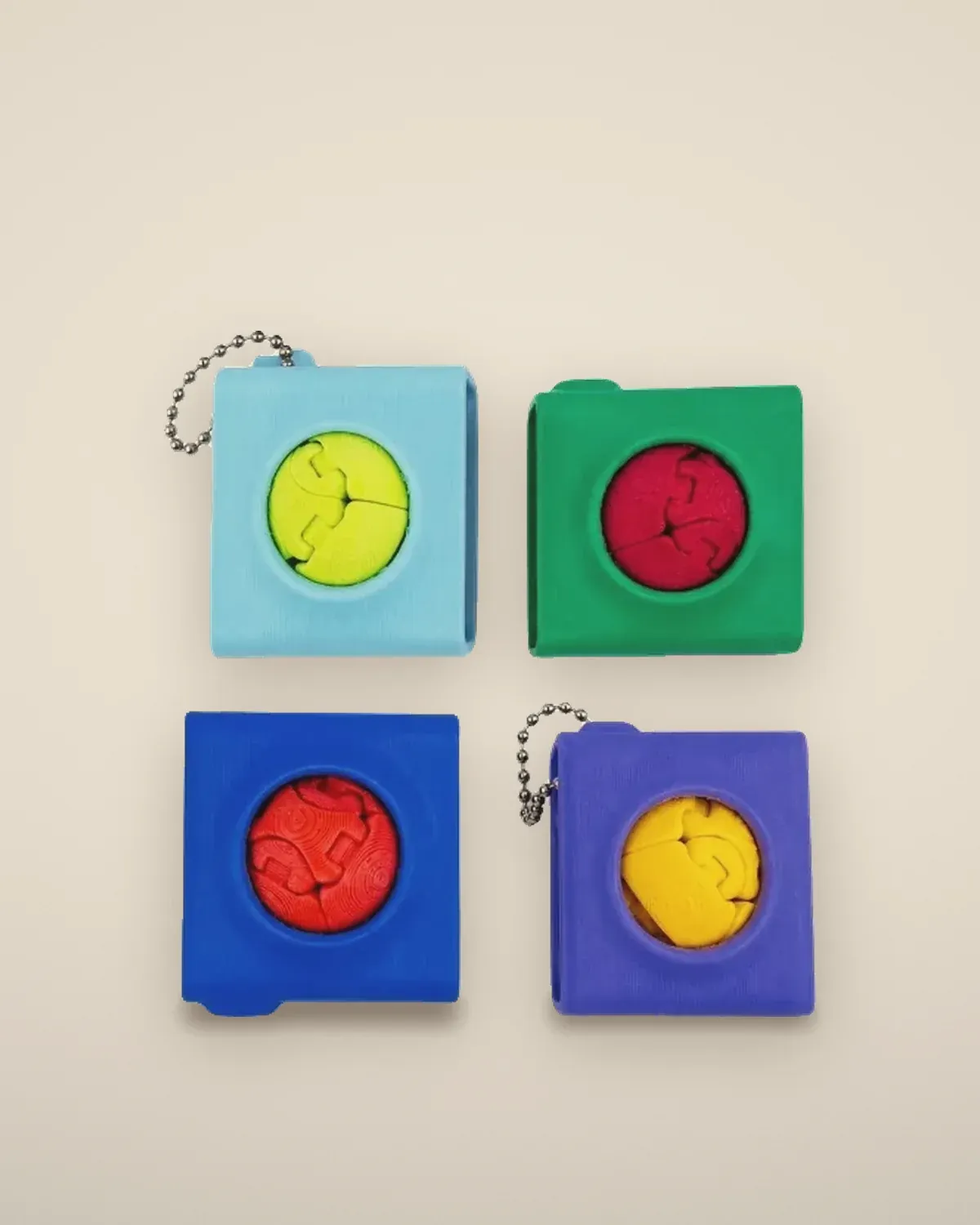
4 cubes + carry case
Textured Fidget Cube Set (4 pcs), $22.99. Rotation in one hand, with a case so the four cubes stay together.
 Twist
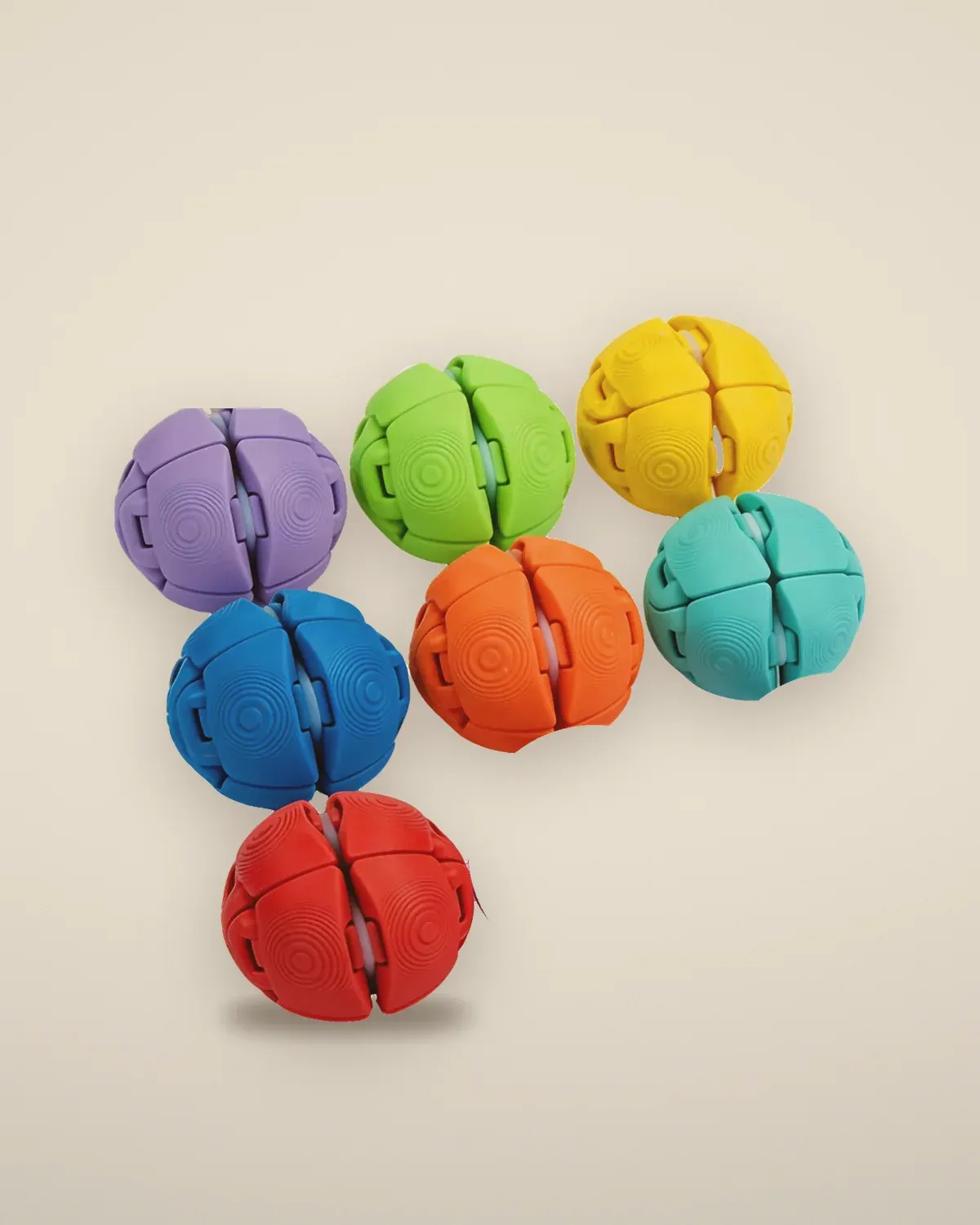
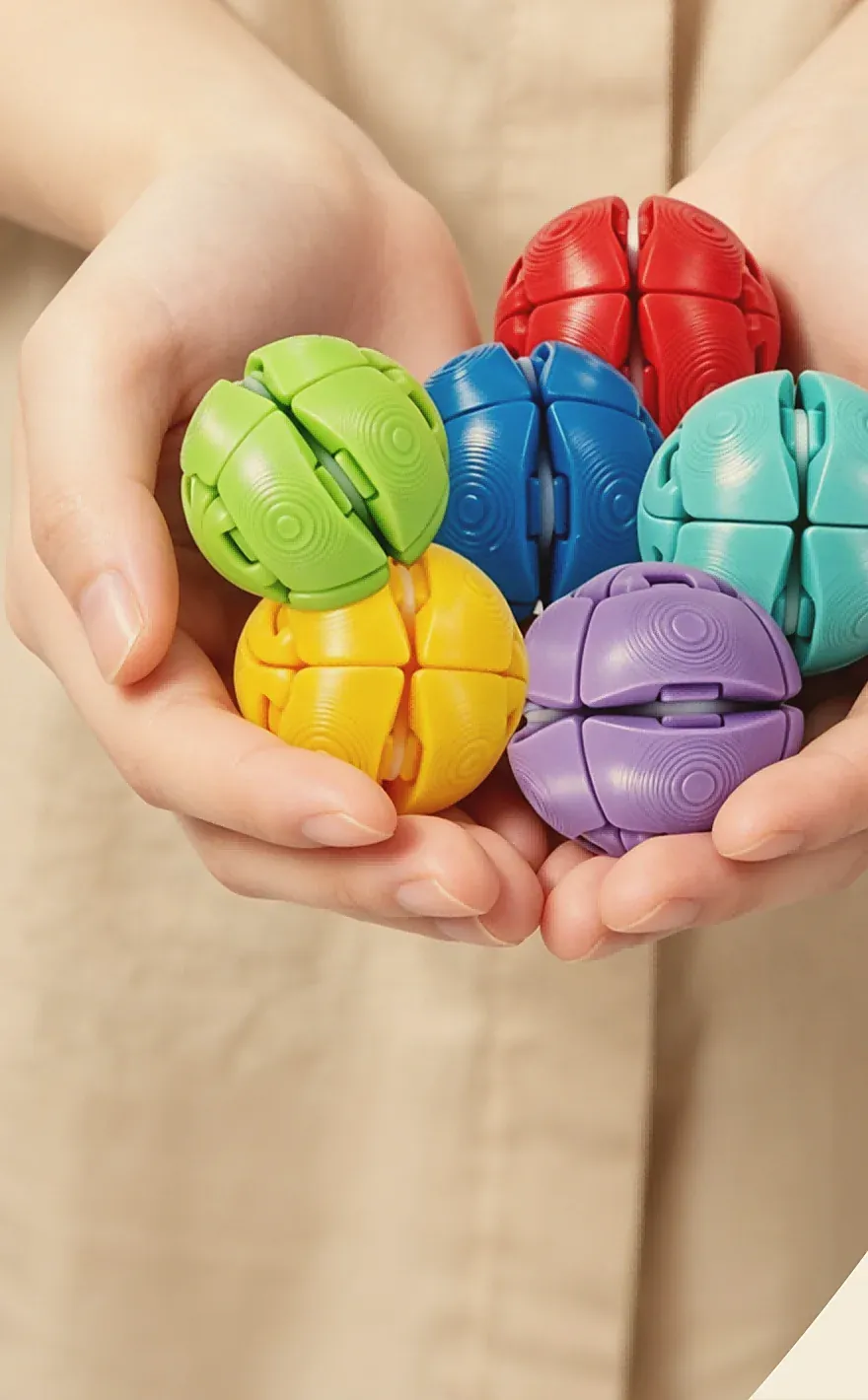
9 orbs + 10 bands
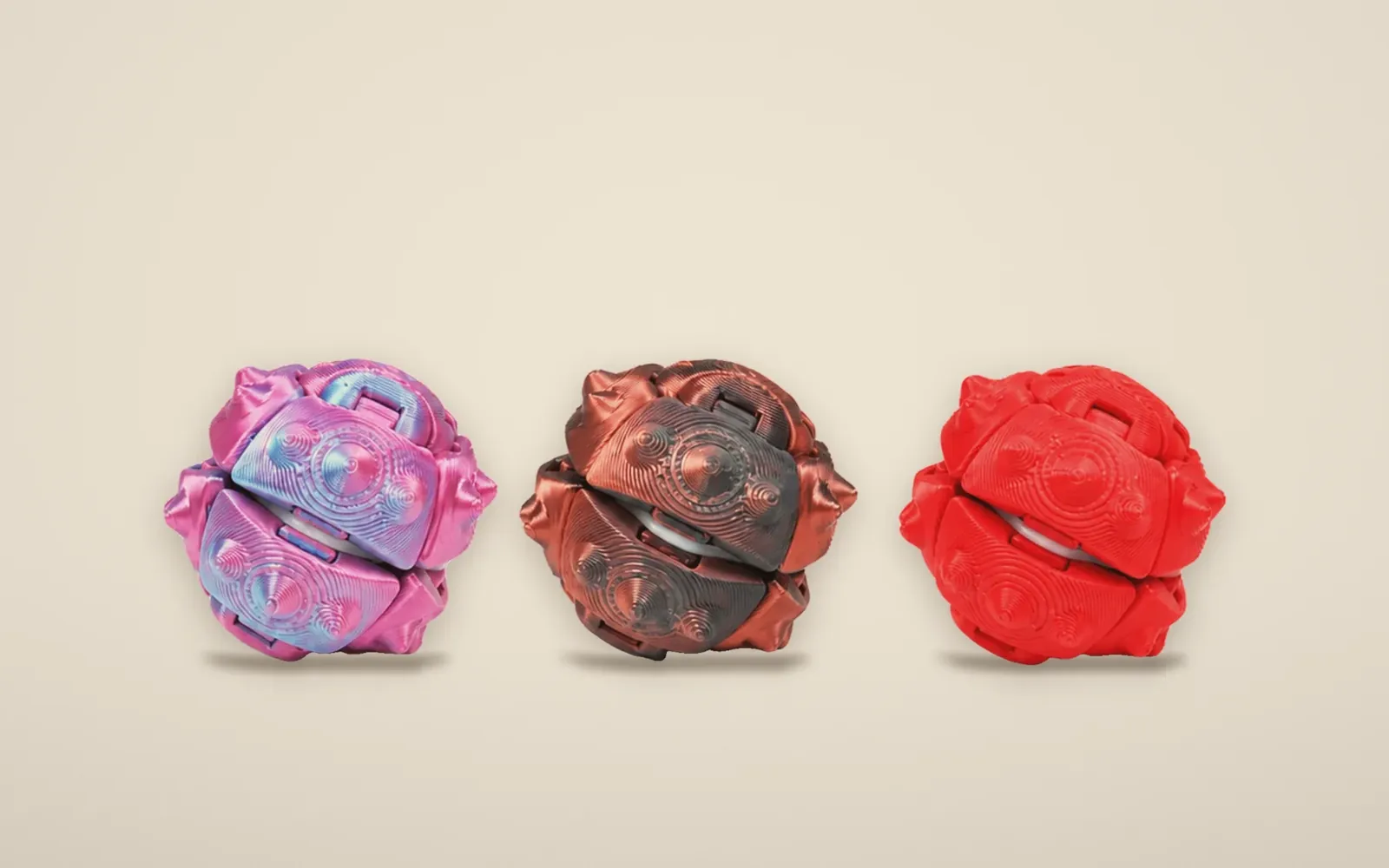
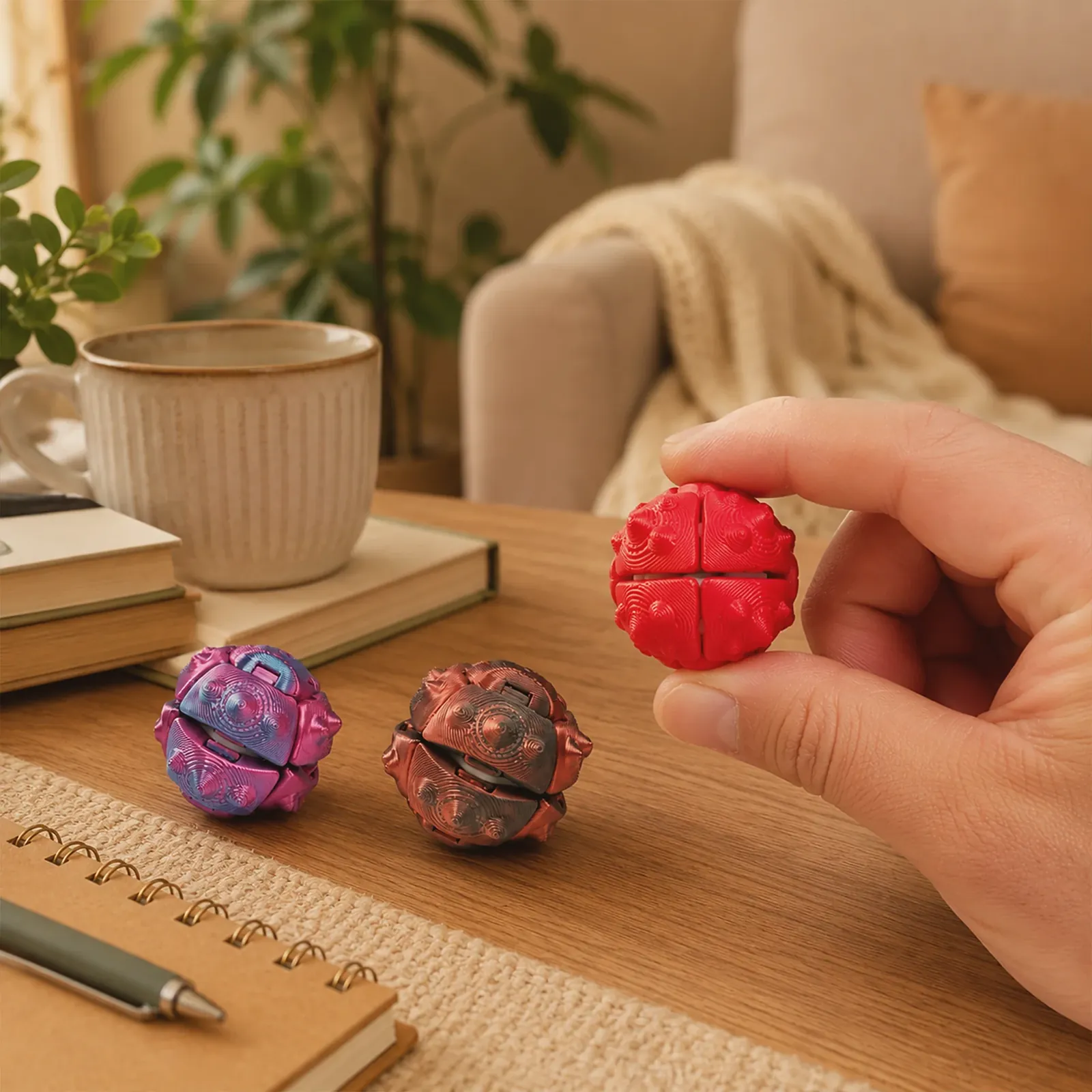
Fidget Orb 9-Pack, $19.99. Press-and-twist orbs with segmented parts, plus rubber bands for stretch play.
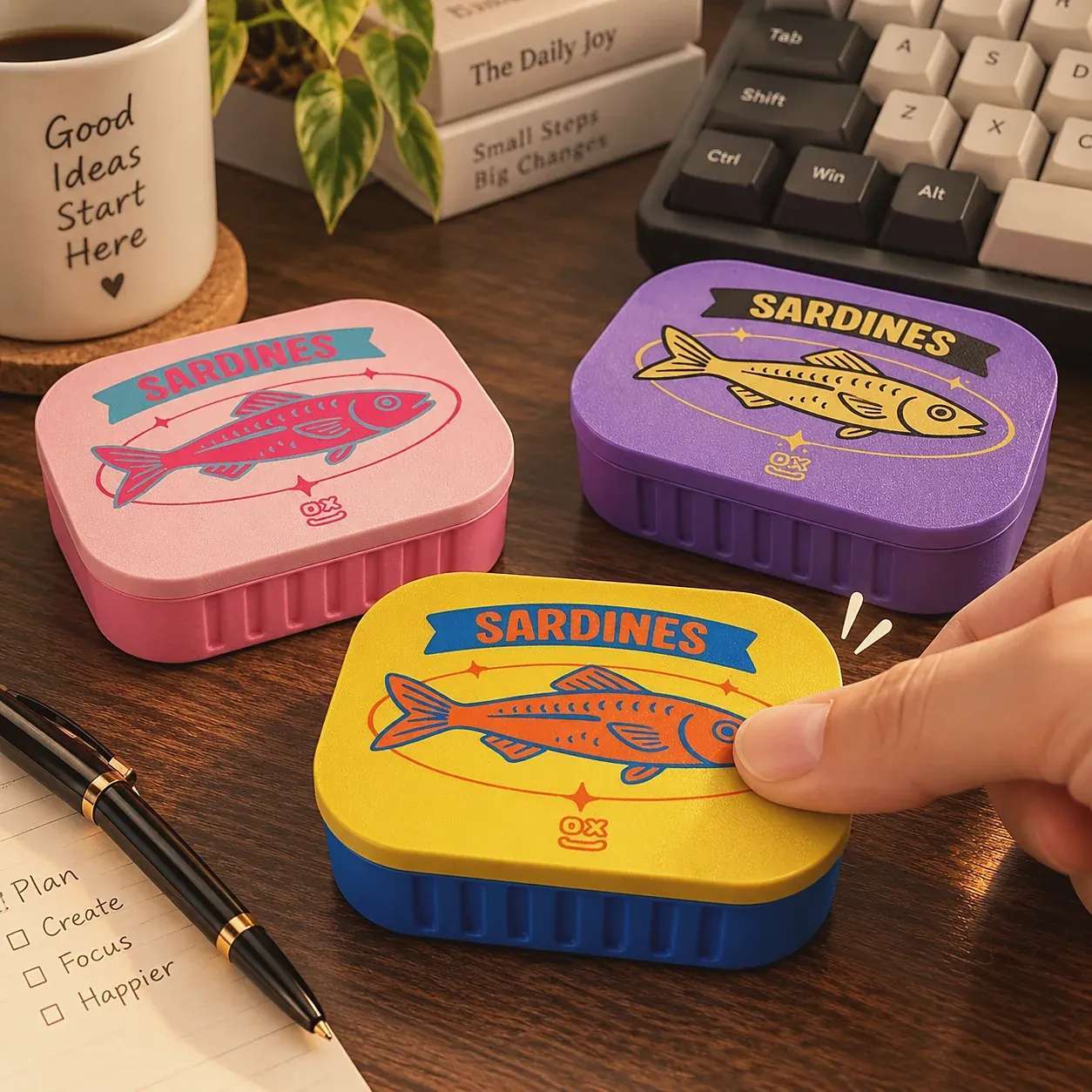 Click
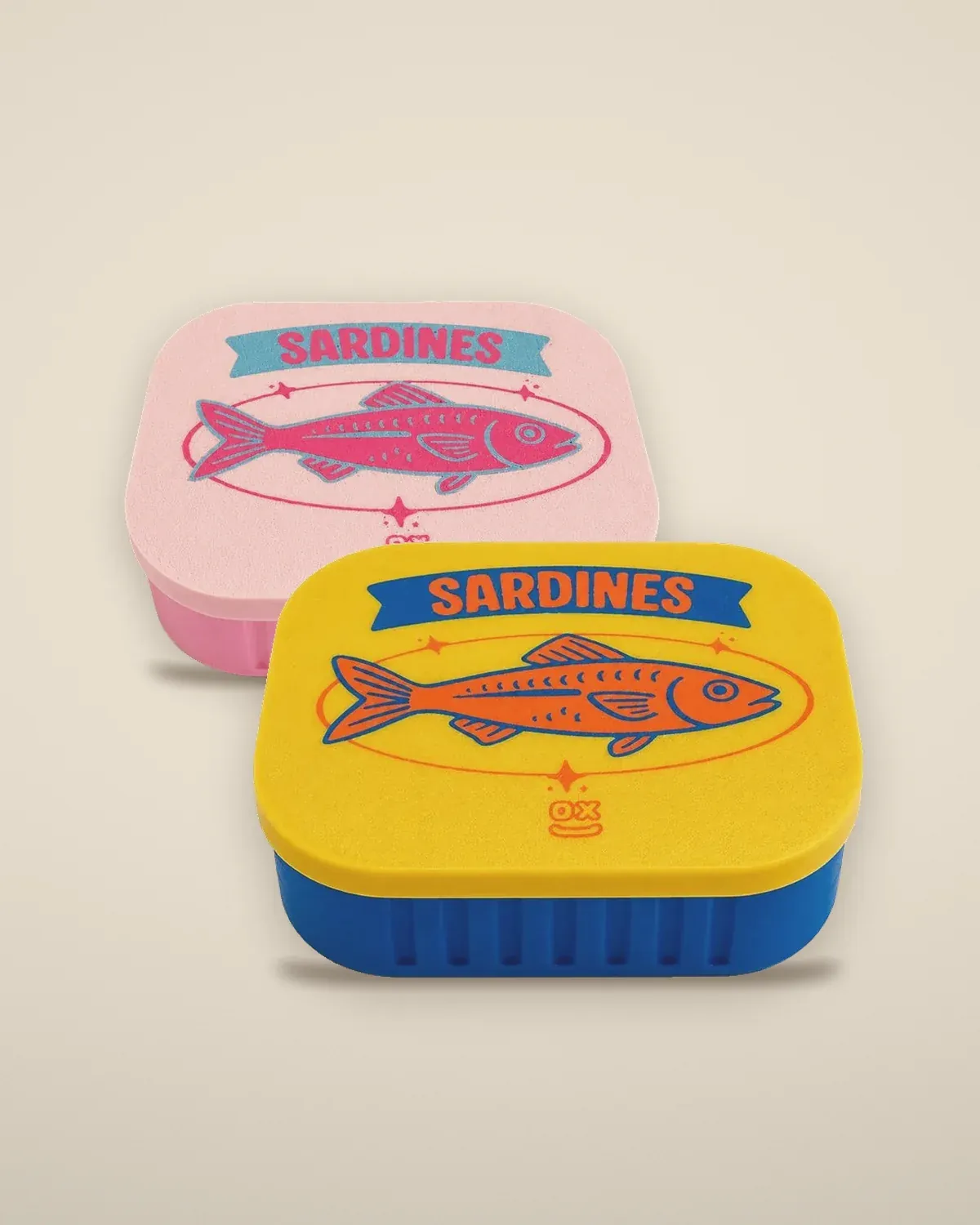
1 tin · 3 colors
Sardine Tin Fidget Clicker, $24.99. A firm click, for your own desk.
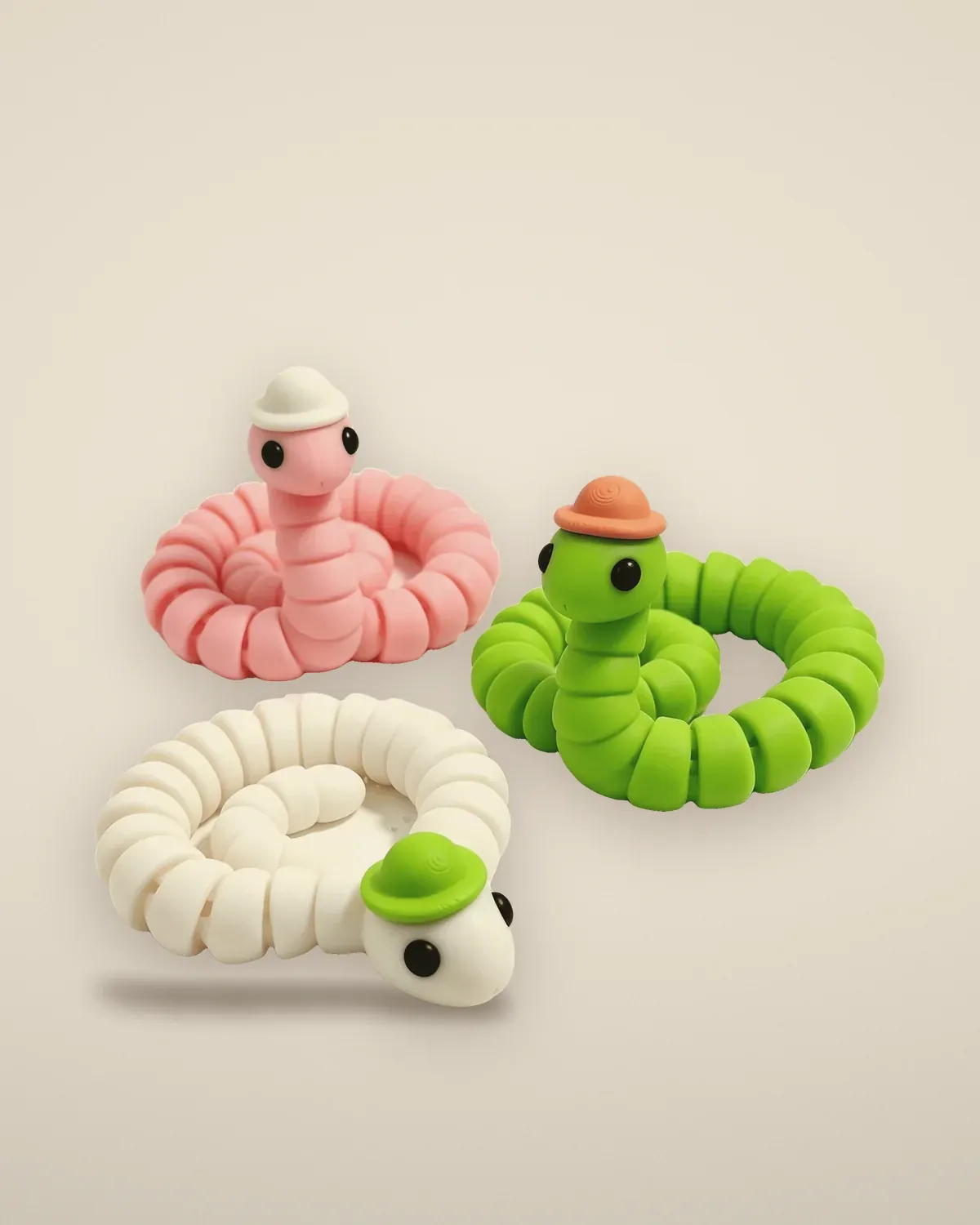 Twist
3 snakes, 9.5 in each
Hat Snake Trio, $18.99. Bend and coil, for the cord-wrappers.
Set up a small routine around it
A fidget tends to stick when it has a place and a time, the same way keys stick to a hook by the door.
- Give it a home. One spot on the desk, one pocket in the bag. A fidget that lives everywhere ends up nowhere.
- Pair it with a task. Reading, calls, lectures, long emails. Pick it up when the task starts and put it down when it ends.
- Keep two, not ten. One quiet fidget for shared spaces and one fun one for your own desk covers most days.
- Swap when it gets boring. Novelty wears off. Rotating between two or three keeps one of them interesting without a pile on the desk.
- Check the rules where you are. Schools, exam rooms and some workplaces have their own rules about objects on desks. Ask before a test or an exam.
What to look for in the product itself
- Size: fits in one closed hand, so it can stay below the desk.
- Sturdiness: no part that snaps off when you worry at it for an hour. Our 3D-printed pieces are PLA plastic with moving segments; the squish cube is soft.
- Texture: raised ridges, dots or a smooth surface. Some people love texture, some find it irritating. Try one before buying a set for someone else.
- Sound: decide where you will use it before you choose a clicker.
For parents of teens
- Let your teen choose. A fidget they picked gets used; one handed to them often does not.
- Ask their school about the classroom rules for fidgets before sending one in.
- Everything we sell is for ages 14 and up and has small parts.
Questions people ask
- Do fidget toys help with ADHD?
- We do not make that claim. Some people find having something in their hands comfortable while they listen or think; for questions about ADHD itself, ask a clinician.
- What is the least distracting fidget?
- A soft, silent one that works in one hand without looking, such as the squish cube.
- Are these OK for younger kids with ADHD?
- No, our toys are for 14 and up. For K-5 classrooms see Fidgetkind Calm Corner.
Age note. Everything in the Fidgetkind shop is made for ages 14 and up. Most pieces are 3D-printed with small moving parts, so they are not for young children. Teachers of younger grades: see Fidgetkind Calm Corner, our classroom kits for K-5.